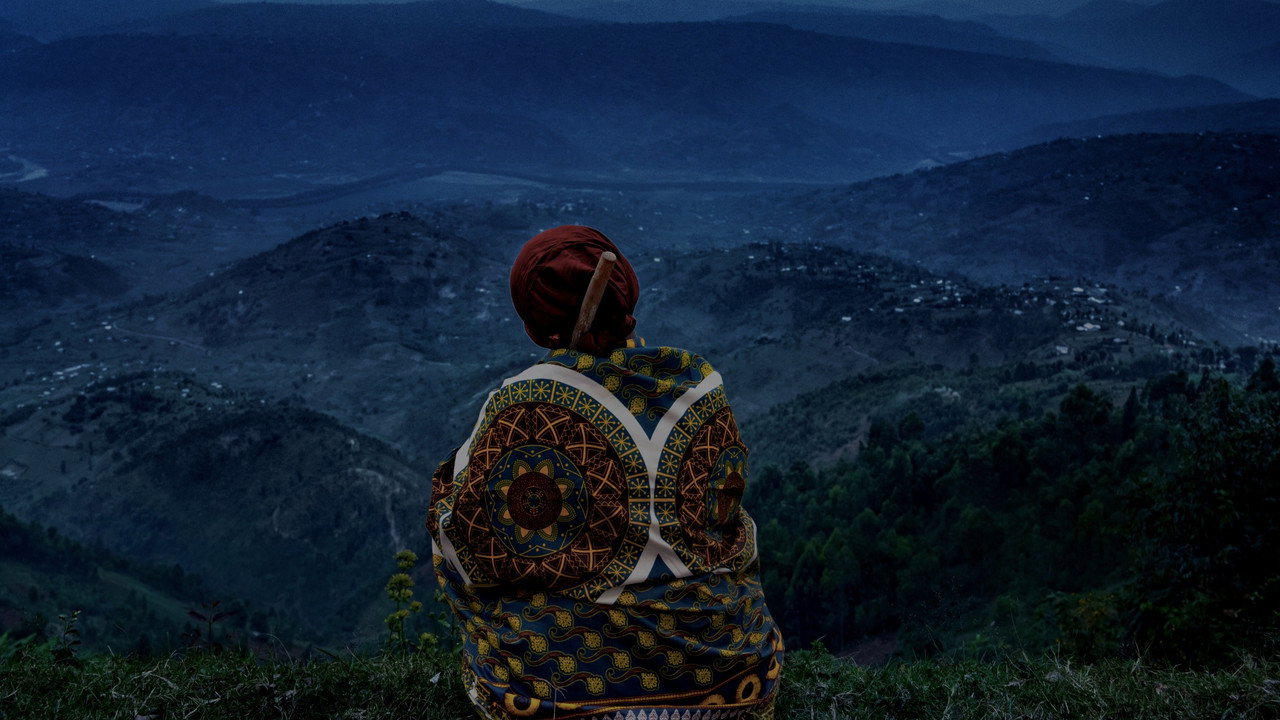
Ben'Imana
In cinemas 4mo later · Theatrical Feb 3, 2027 (FR)
★ Shortlisted by Ariane, C.J. Prince, Mitch Allen
- Programme
- Centrepiece
- Year
- 2026
- Runtime
- 101 min
- Country
- Rwanda, Gabon, France, Norway
- Language
- Kinyarwanda
- Premiere
- North American Premiere
- In cinemas
- Feb 3, 2027 (FR)
Rwanda, 2012. The country is emerging from an era of silence after the 1994 Tutsi genocide, and people's courts are being set up with the aim of bringing justice and reconciliation. Veneranda, a survivor, is convinced of the need for these trials. Despite pressures, she organises discussion sessions between victims and the families of the executioners. Therapy for some, an act of betrayal for others, these testimonial sessions revive and reveal the traumas that each of them try to overcome, in their own way. The wounds of Veneranda's past are exposed again when she learns of her daughter's unexpected pregnancy and the identity of the father. Veneranda has to face her own contradictions and the dark parts of her past.
From the TIFF programme
In this powerful, feminist debut feature, which won the Caméra d’Or at the 2026 Cannes Film Festival, Marie-Clémentine Dusabejambo brilliantly explores the issue of forgiveness in the wake of the Tutsi genocide in Rwanda.
For a long time, Rwandan cinema was primarily represented by foreign filmmakers who set up their cameras in this Central African land of a thousand hills to depict the horrific genocide of the Tutsis.
It wasn't until the 2010s that a generation of Rwandan filmmakers emerged, eager to tell their own version of history, far removed from the sensationalism surrounding the 1994 massacres. Directors like Kivu Ruhorahoza (Grey Matter), Joël Karekezi (The Mercy of the Jungle, TIFF ’18), Anisia Uzeyman (Neptune Frost, TIFF ’21), and Philbert Aimé Mbabazi Sharangabo (Minimals in a Titanic World), have all been committed to showing another aspect of their homeland their fellow citizens, and the national narrative.
For her first feature film, Marie-Clémentine Dusabejambo follows in this tradition. Drawing on the accounts of women she met within the country, Dusabejambo decided to bring the gacaca courts — popular tribunals based in Rwandan traditional practice that were tasked with finding justice and promoting reconciliation after the genocide — to the screen. Is it really possible to forgive when your entire family has been wiped out or your body has been tortured? What about those who must carry the child of their abuser and raise it amid the perpetual shame of the trauma they have suffered?
With an almost entirely female cast (including the impressive Clémentine U. Nyirinkindi and Isabelle Kabano), Dusabejambo’s Caméra d'Or winner doesn't just give a voice to the silent victims. Through a powerful intergenerational narrative, it heals while empowering those born after 1994 to assert themselves.
CLAIRE DIAO
Content advisory: themes of violence, themes of sexual violence, bullying, mature themes
Trailer
Director

Top Cast
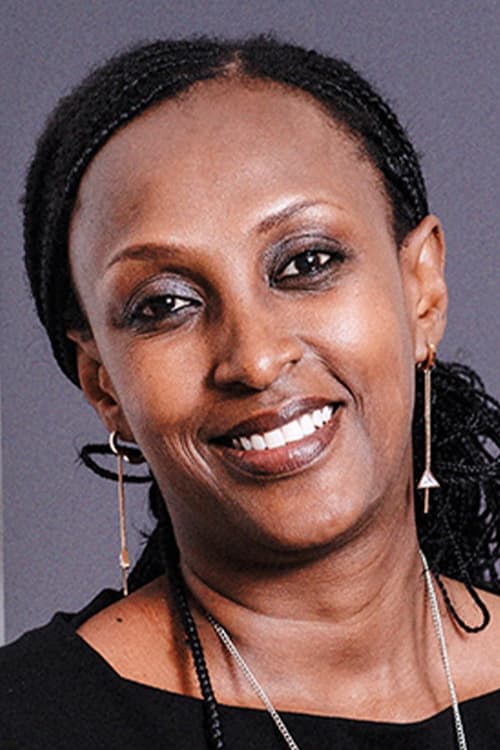
Credits
- Screenplay
- Marie-Clémentine Dusabejambo
- Producers
- Samantha Biffot, Marie Epiphanie Uwayezu, Pierre-Adrien Ceccaldi, Marie-Clémentine Dusabejambo
- Cinematography
- Mostafa El Kashef
- Editor
- Nadia Ben Rachid
- Original Score
- Igor Mabano
- International Sales
- mk2 Films
Production
Related Films


4 screenings · sign in to add one to your schedule
Thu, September 10
- 9:30 am → 11:11 amPress and MarketScotiabank 10
Tue, September 15
- 6:30 pm → 8:41 pmRegularScotiabank 10
Wed, September 16
- 6:55 pm → 9:06 pmRegularScotiabank 14
Sat, September 19
- 3:30 pm → 5:41 pmRegularScotiabank 9